


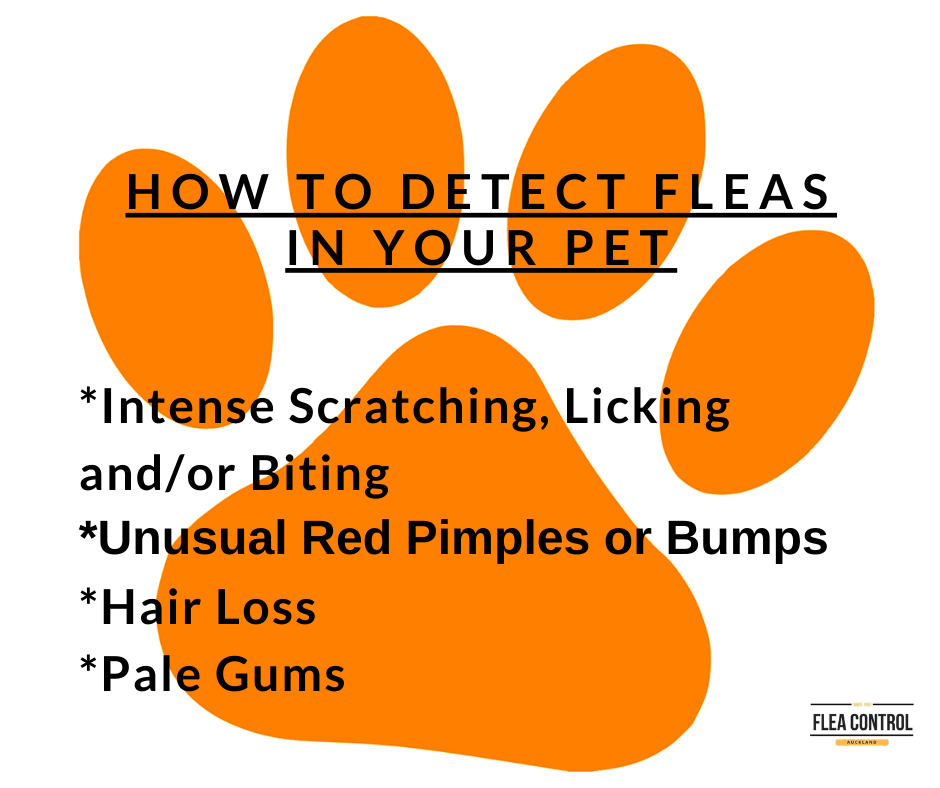
Pets often show early signs of fleas when they’re dealing with them. To begin with, you may notice intense scratching, licking, or biting as your pet tries to soothe the irritation caused by flea bites. As the infestation progresses, fleas can also leave unusual red pimples or bumps. Typically, they are around the belly, tail area, and lower back, common spots where they hide.
Over time, the irritation can worsen, potentially leading to hair loss and creating patchy or thinning areas due to constant scratching. In more severe cases, another warning sign to watch out for is pale gums, which can indicate anaemia caused by heavy flea activity and should be addressed right away.
Signs Of Fleas Around The Home
Fleas thrive in warm, humid conditions, which means infestations tend to worsen during hotter months. However, this doesn’t mean your home is safe in winter. Fleas can easily survive and reproduce indoors, especially in heated homes. They often hide and lay eggs in soft furnishings such as carpets, drapes, upholstery, bedding, and even cracks in the flooring, all while continuing to feed on your pets.
You may notice subtle signs around your home, such as tiny black specks (flea dirt) on furniture or carpets, increased scratching from pets, or even small red bites on your own skin. Fleas multiply quickly, jumping from one area to another and spreading throughout the house. If you spot these signs, it’s a strong indication that fleas may already be nesting in various parts of your home and need immediate attention.
DIY Flea Removal Solution
Here are several effective DIY solutions you can try before resorting to professional treatments. One of the simplest methods involves using table salt and baking soda. Sprinkle a thin layer over your carpets and upholstery. Lightly brushing it into the fibres and leaving it overnight. It can help dehydrate and remove fleas, their eggs, and larvae. Afterwards, vacuum thoroughly to clean up the residues. Another handy trick is a dish soap and water flea trap. Placing a shallow bowl of warm, soapy water near light sources at night attracts fleas, which jump in and are unable to escape.
In addition to these treatments, regular vacuuming plays a crucial role in controlling flea infestations. Vacuum carpets, upholstery, and furniture edges frequently. Always empty the vacuum contents into an outdoor bin to prevent fleas from returning. For extra protection, a DIY vinegar-based spray can help repel fleas and disrupt their breeding. Mix equal parts white vinegar and water, optionally adding a few drops of pet-safe essential oils, and lightly mist carpets and upholstery. Of course, always test on a hidden area first and avoid over-wetting. By combining these methods, you can significantly reduce fleas in your home while keeping your fabrics safe and fresh.
Professional Flea Control Service
If fleas become too numerous or persistent despite trying the DIY methods above. Consequently, hiring a professional flea control service is highly recommended. Indeed, they can also pose health risks to humans. Flea bites can cause allergic reactions, skin irritation, and intense itching. In some cases, fleas can transmit diseases such as typhus, tapeworms, and Bartonella (cat scratch disease). Protecting both your pets and your family from these harmful pests is important, and professional treatments ensure thorough removal and prevention.