

Water Damage Remediation & Drying Services In Auckland
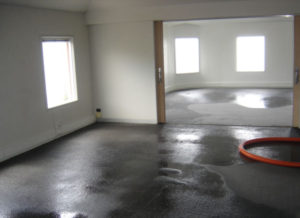
Water damage remediation is the process of drying, cleaning and repairing a property after flooding, so mould, structural rot and health risks don’t take hold. Steam ‘n’ Dry has offered this service across Auckland since 1987.
Our technicians are led by Graeme Stephens, an IICRC Master Restoration Technician with over 39 years’ experience in South Auckland, North Shore, East Auckland and West Auckland. He’s put together these water damage remediation and carpet drying tips to help you protect your home or workplace and avoid unnecessary replacement costs.
Water damage has many causes: rainwater, roof overflow, burst pipes, an overflowing bath or sink, a washing machine leak, a burst hose, or even fire-extinguishing water. Whatever the cause, it can damage both the structure of your property and everything inside it.
For water damage remediation and carpet drying, call Auckland Steam ‘n’ Dry Flood Restoration on 0800 783-266 or email us.
Why Bring In a Water Damage Remediation Professional
A DIY clean-up misses what matters most. Firstly, drying needs to reach right through the structure, not just the surface. Secondly, moisture trapped inside walls can lead to hidden mould. Finally, and most importantly, an untreated flood can genuinely make a household sick.
Getting experienced technicians on-site quickly is what actually keeps a home healthy after a flood.
What Our Water Damage Remediation Service Covers
Leaks, floods, sewage backups and storm damage all leave a property vulnerable. Furthermore, the damage grows worse with every hour that moisture is left untreated.
Our water damage remediation includes emergency water extraction, infrared thermal imaging and non-invasive leak detection. This technology lets us locate hidden moisture and restore your property as quickly as possible.
Steam ‘n’ Dry water damage remediation also covers:
- Hardwood and timber floor drying
- Sewage backup cleanup
- Truck-mounted water extraction
- Wall and structural drying
- Wood frame drying
- Hard floor drying
- Dehumidifier hire
- Air mover and blower rental
- Carpet and underlay drying
- Carpet cleaning
- Furniture cleaning
- Carpet laying and repairs
Drying Timber, Sub-Floor and Hard Floors Instead of Replacing Them
In the past, water-damaged wooden floors usually meant a full replacement. Today, modern drying equipment can often save timber and sub-floors instead.
With over three decades of flood restoration experience, our technicians aim to dry your floor properly rather than default to replacement. We use truck-mounted extraction, industrial dehumidifiers and air movers to draw moisture out of the timber itself.
First, we assess the extent of the damage. Then, we extract any standing water before air-drying and dehumidifying pull the remaining moisture from the floor.
Sewage Backup Cleanup
A sewage leak or overflow is rare, but it’s understandably alarming when it happens. This kind of water damage needs a professional response, not a DIY clean-up.
Restoration standards classify sewage water as heavily contaminated. As a result, porous materials it touches, such as carpet and underlay, generally can’t be cleaned and reused; they need to be removed and replaced.
Our IICRC-certified technicians have over 30 years of combined experience in sewage cleanup, backed by truck-mounted extraction machines, industrial dehumidifiers, and air movers. This is exactly the type of equipment this kind of job demands.
Mould Remediation, Done the Right Way
Has your property developed mould growth or spores? Identifying the cause and extent of the problem correctly matters more than rushing to treat it.
That’s why, before quoting remediation work, we recommend a scope of work from an independent mould assessor. This avoids a conflict of interest: the business assessing the mould isn’t the same business selling you the fix.
The more you understand about your mould issue, the better placed you are to make the right call. Once the scope is clear, we prepare a detailed estimate for the remediation itself.
Structural Drying
Water damage can strike a home or business without warning. Leaking pipes, burst plumbing, a faulty washing machine, a blocked sink, or a sudden storm can all cause serious damage, and all need fast drying before mould and mildew can take hold.
Regardless of the cause, structural drying needs to happen quickly and cost-effectively. We use powerful extraction and dehumidification equipment for exactly this. Call us any time, 24/7, for structural drying.
Building and Wood Frame Drying
Steam ‘n’ Dry runs some of Auckland’s largest dehumidifier units for building and wood frame drying. This service follows pre-line drying course standards and pays close attention to relevant building and operator compliance standards.
We work with builders, construction companies, and residential and commercial clients alike, bringing the same attention to detail to every job.
Carpet and Underlay Drying
Carpet plays a real role in a home or office, from comfort to noise reduction between floors. When it floods, though, a wet carpet becomes a genuine health concern if it isn’t dried promptly and properly.
It’s not worth attempting this yourself. Slow or improper drying often leads to mould and mildew growth, which can affect indoor air quality and trigger allergic or respiratory symptoms in sensitive occupants.
We use truck-mounted extraction, industrial dehumidifier hire and carpet dryer air movers to restore wet carpet to its pre-damage condition, without leaving a health hazard behind.
Once your carpet, underlay, walls, skirting boards and sub-floor are properly dried, we clean and relay the carpet so you can get back to normal.
We’ve served Auckland for over 36 years, covering West Auckland, North Shore, East Auckland, South Auckland and the Hibiscus Coast, and our truck-mounted cleaning comes with no hidden fees.
Where Water Damage Remediation Often Gets Misunderstood
“The company drying my carpet should also tell me if I have mould”
This feels efficient, but it isn’t good practice. A remediator who both diagnoses and sells the fix has an obvious incentive to find more work than necessary.
Industry guidance for professional mould remediation calls for an independent assessor with no business tie to the remediation company. This keeps the scope of work honest.
For Auckland homeowners and landlords, it means asking a simple question: is the person quoting the mould job the same person who assessed it?
“Sewage water just needs a stronger clean”
A sewage backup looks, at first glance, like a bigger version of an ordinary spill. It isn’t.
Sewage is classed as heavily contaminated water. Once it soaks into carpet, underlay or similar porous materials, no amount of cleaning reliably removes the contamination trapped inside.
For landlords and tenants, this matters because “just clean it” is the wrong advice. Contaminated porous materials generally need removing and replacing, not steam cleaning.
“A water-damaged timber floor always has to come up”
Older advice, and some general contractors, still default straight to replacement. It’s often the safer-sounding option, even when it isn’t necessary.
With the right equipment and a fast response, many timber and sub-floors can be dried in place instead. The trade-off is time: it depends heavily on how long the floor sat wet, and what’s underneath it.
This matters because floor replacement is expensive and disruptive. A proper assessment, rather than an assumption, tells you which category your floor falls into.
“Any dehumidifier will dry the place out eventually”
A household dehumidifier and a commercial drying unit look similar, but they aren’t doing the same job. Structural drying needs a far higher extraction rate to shift moisture out of framing, not just the air.
This is why professional jobs use industrial dehumidifiers and air movers together, positioned to target specific wet areas. Guesswork here usually means longer drying times and a higher chance of hidden dampness being missed.
For property owners, the practical impact is cost. Under-powered drying can drag a job out for weeks, when the right equipment finishes it in days.
Expert Nuance: What We Know vs What Customers Often Assume
| Common Belief | Expert Reality | Best Practice |
|---|---|---|
| Whoever dries my carpet can also diagnose my mould | Assessing and remediating mould should be kept separate to avoid conflicts of interest | Ask for an independent mould assessment before agreeing to remediation work |
| Sewage water damage just needs extra cleaning | Contaminated porous materials generally can’t be reliably decontaminated | Expect removal and replacement of affected carpet, underlay and linings |
| A wet timber floor always needs replacing | Modern drying equipment can often save timber floors if the response is fast | Ask whether drying in place is realistic before agreeing to replacement |
| Household dehumidifiers are enough for a flooded room | Structural drying needs commercial-grade extraction to reach moisture in framing | Confirm industrial dehumidifiers and air movers are being used, not domestic units |
| Once carpet feels dry, the job’s finished | Underlay, skirting and sub-floor can still hold moisture that carpet hides | Have the whole system checked, not just the visible carpet surface |
Practical Advice From Our Expert Technicians
- Act within the first day. Don’t wait to see if it “dries itself”; moisture spreads fast into skirting and sub-floor.
- Cut power to wet areas before doing anything else, if it’s safe to do so.
- Don’t attempt sewage clean-up yourself. It’s a job for trained technicians with the right protective equipment.
- Ask what’s actually being dried. A proper job covers carpet, underlay, walls and sub-floor, not just visible surfaces.
- Request the assessment before the quote, especially for mould, so the scope is set independently.
Frequently Asked Questions
Can you dry my timber floor instead of ripping it up? Often, yes. It depends on how long the floor was wet and what sits beneath it, so we assess this on-site before recommending a course of action.
What happens if the water damage is from a sewage backup, not a clean pipe? Sewage-affected water is treated differently. Porous materials such as carpet and underlay generally need removing, rather than cleaning, to protect your household’s health.
Why do you recommend an independent assessor for mould, rather than quoting it yourselves? Because keeping assessment and remediation separate avoids any conflict of interest. You get an honest scope of work before any pricing is agreed.
How long does structural drying usually take? Most jobs run from a few days to around a week, depending on the class of water damage and how much moisture has reached the framing.
Book Water Damage Remediation in Auckland
Steam ‘n’ Dry has handled water-damaged carpets across West Auckland, North Shore, East Auckland, South Auckland and the Hibiscus Coast since 1987. With 39 years’ experience, we can take on water damage emergencies of any size, including building structural drying, timber frame drying, mitigation, flood restoration, upholstery drying, rug drying, carpet repair and equipment hire.
We believe customers come first, which is why our emergency cleanup hotline runs 24/7. Our fleet is ready to deploy across Auckland CBD and the inner and outer suburbs.
Call us on 0800 783-266 or email us for a free quote, same-day availability, or advice on your next step.
- See our 5-star Facebook Reviews or Google Reviews.
Authored by Graeme Stephens, an IICRC Master Restoration Technician certified in 2001, with 39 years of industry experience.
Last updated: 20 October 2026 by Monique Stephens.