


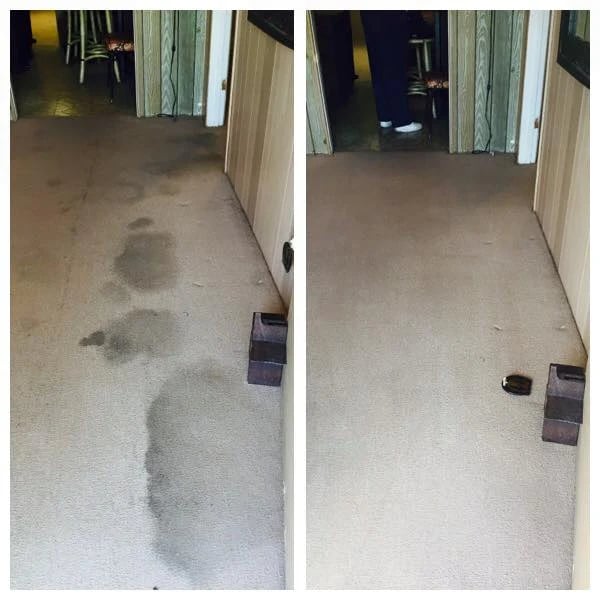
Carpet water stains are a common issue for many homeowners and can occur from several causes, including water spills left to dry, leaking pipes, roof leaks, flooding, or even pet urine. Your best chance of removing a moisture or water stain from carpet is to act quickly after the spill occurs. The longer the spill sits, the harder it becomes to remove properly. Fortunately, there are now many effective methods and techniques available for removing water stains from carpet. However, stain removal still requires proper effort and treatment, especially if the stain is highly visible or has already settled deep into the carpet fibres. Here are some carpet water stain removal tips you can try to help remove them, particularly water stains from your carpet.
Carpet Water Stain Removal
1. Use White Vinegar to Break Down Mineral Residue
Things Needed:
- White vinegar
- Warm water
- Spray bottle
- Clean white towel
How to Do It:
Mix equal parts white vinegar and warm water into a spray bottle. Lightly mist the stained area and allow the solution to sit for around 5–10 minutes. Blot gently using a clean white towel to lift mineral deposits and residue caused by moisture.
Note: Vinegar works well because mild acidity helps dissolve water minerals and detergent residue left behind after drying.
2. Apply Baking Soda to Absorb Moisture and Odours
Things Needed:
- Baking soda
- Vacuum cleaner
- Soft brush
How to Do It:
After cleaning the stain, sprinkle baking soda generously over the damp area. Use a soft brush to work it lightly into the carpet fibres and leave it overnight. Vacuum thoroughly once completely dry.
Note: Baking soda helps absorb leftover moisture and can minimise musty odours caused by damp carpets.
3. Use Clear Dishwashing Liquid for Light Water Marks
Things Needed:
- Clear dishwashing liquid
- Warm water
- Microfibre cloth
How to Do It:
Add a few drops of clear dishwashing liquid into warm water and gently blot the stained area using a microfibre cloth. Continue blotting until the water mark begins to fade, then rinse lightly with clean water and blot dry.
Note: Avoid coloured or heavily fragranced detergents, as they may leave residue or cause further staining.
4. Speed Up Drying With Fans and Proper Ventilation
Things Needed:
- Electric fan or pedestal fan
- Open windows if possible
How to Do It:
After treating the carpet, dry the area quickly using fans and good airflow. Point the fan directly towards the damp section to help evaporate trapped moisture from deep within the carpet fibres.
Note: Slow drying is one of the main reasons water stains return due to moisture wicking back to the surface.
5. Use a Wet Vacuum if the Carpet Is Heavily Saturated
Things Needed:
- Wet and dry vacuum
- Clean towels
How to Do It:
If the carpet has absorbed a large amount of water, use a wet vacuum to extract as much moisture as possible before treating the stain. Follow up by blotting with clean towels to remove remaining dampness.
Note: The faster excess moisture is removed, the lower the risk of mould, odours, and permanent carpet discolouration.
Helpful Cleaning Reminder
However, stain removal should always be done with caution. It’s important to understand your carpet type and material first, as not all carpets respond the same way to DIY cleaning. Some water stains, especially on certain materials, can be quite stubborn and difficult to fully remove on your own.
If you’re busy, can afford, or simply are not confident doing DIY cleaning, a professional stain removal service is a safer option. For example, water stains on natural fibres can sometimes lead to “cellulose browning,” a brown discolouration caused by plant-based fibres reacting to moisture. This kind of issue often requires professional treatment. A trained carpet cleaning technician has the right tools and expertise to properly manage and remove it completely.